
Oral Cancer Screening — Ballantyne, Charlotte NC
A careful check of your mouth and neck,
as part of your exam.
An oral cancer screening is a visual and hands-on check of your mouth, tongue and throat for changes that need a closer look. Dr. Robert L. Harrell, DDS, includes it as part of your dental exam, one of our general dentistry services in Ballantyne NC.
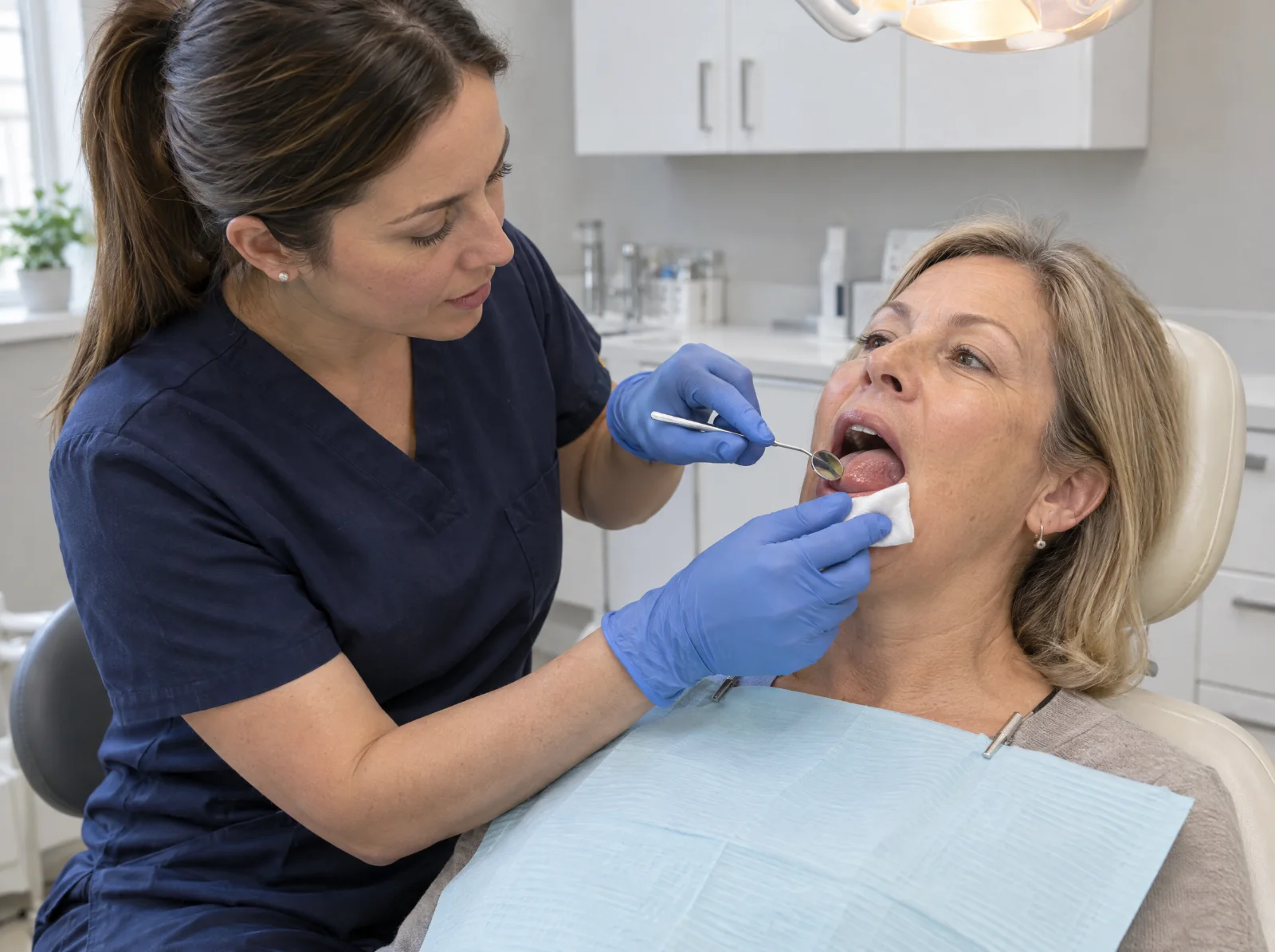
What a Screening Means for You
A screening is about noticing changes early, while they are easier to look into.
Part of Your Exam
It is done during your regular dental exam.
Looked At and Felt
A visual check, plus a gentle hands-on check of your jaw and neck.
Lips to Neck
Face, lips, the whole mouth, the back of the throat and the neck.
Know Your Risks
Tobacco and heavy alcohol use raise the risk, and using both raises it further.
Know the Signs
A sore, patch or lump that lasts more than two weeks is worth a check.
A Clear Next Step
If something looks unusual, the next step may be a recheck, more tests or a referral.
A screening cannot find every oral cancer, so tell us about any change you notice.
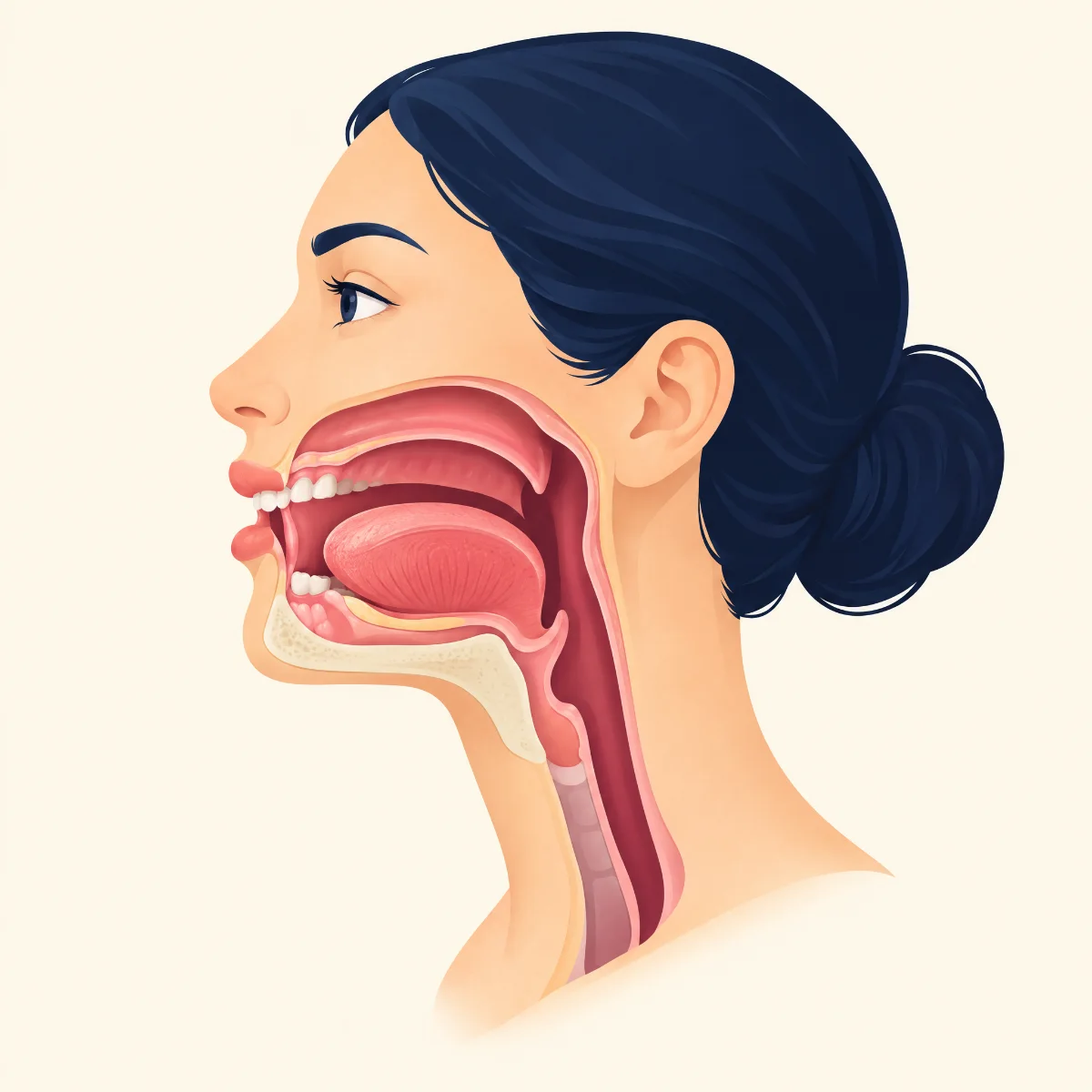
LipsInside and out, for sores or color changes.
TongueThe top, sides and underside.
Floor of the mouthThe area under your tongue.
Cheeks and gumsThe inner cheeks and the gums around your teeth.
Roof of the mouth and throatAs far back as can be seen.
Jaw and neckFelt gently for lumps or swelling.
What an Oral Cancer
Screening Is
An oral cancer screening is a check for early signs of cancer in the mouth and throat. During the examination, your dentist checks your face, neck, lips, entire mouth and the back of the throat, looking for sores, patches or lumps that need a closer look. (NIDCR)
Many dentists do this during a regular dental visit, and at our office it is part of your exam. A screening is not a diagnosis: if an area looks unusual, the only way to know whether it is cancer is a biopsy, a small sample of cells tested in a lab. (Mayo Clinic)
Signs to Get Checked
See a dentist or doctor if any of these last more than two weeks.
In the mouth, on the lip or in the throat.
Anywhere inside the mouth.
In the mouth, or a lump in the neck.
Or numbness in the tongue or mouth.
Tobacco, heavy alcohol use, HPV infection, age and sun exposure to the lips are known risk factors.

Between Exams
Get to know how your mouth normally looks, so a change is easier to notice.
If you see or feel something that lasts more than two weeks, call us at (704) 541-9888 rather than waiting for your next exam.
This short video from Cleveland Clinic shows how to check your own mouth and which signs to look for.
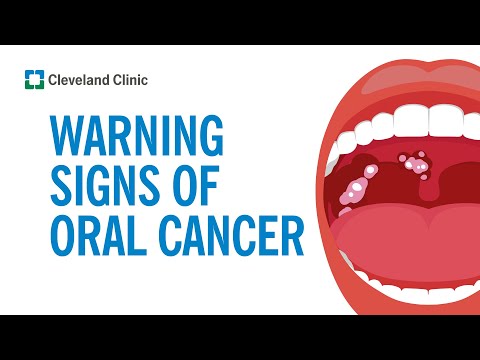
Video: How To Screen Yourself for Oral Cancer, Cleveland Clinic (2:14).
Questions About Oral Cancer Screening
A visual and hands-on check of your mouth, tongue and throat, plus your jaw and neck, for changes that need a closer look.
At our office, yes. The screening is done as part of your exam.
Sores that do not heal, red or white patches, lumps or thick areas in the mouth, and lumps or swelling in the neck.
The next step may be a follow-up visit in a few weeks to see whether the area is still there, more tests or a referral. Only a biopsy can show whether an area is cancer.
No. Some areas are hard to see, and a small change can be missed, so tell us about anything new you notice between visits.
People who use tobacco or drink heavily, especially both, along with HPV infection, older age and sun exposure to the lips.
